
Contents
- 🎵 Origins & History
- ⚙️ How It Works
- 📊 Key Facts & Numbers
- 👥 Key People & Organizations
- 🌍 Cultural Impact & Influence
- ⚡ Current State & Latest Developments
- 🤔 Controversies & Debates
- 🔮 Future Outlook & Predictions
- 💡 Practical Applications
- 📚 Related Topics & Deeper Reading
- Frequently Asked Questions
- Related Topics
Overview
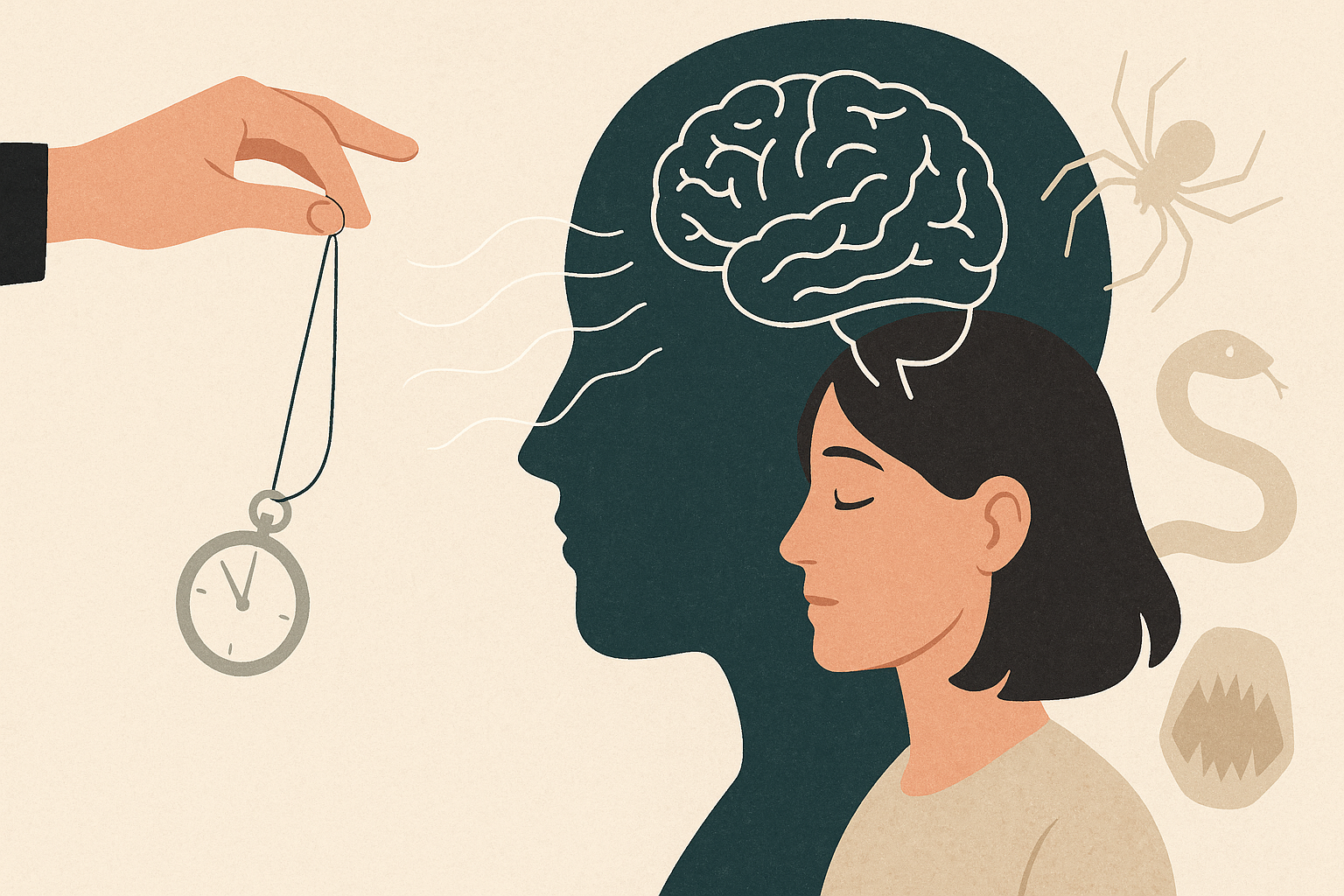
Hypnosis for fears and phobias is a therapeutic approach that utilizes the power of hypnosis to rewire the brain and overcome deep-seated fears and phobias. Hypnosis has been shown to be effective in treating a wide range of phobias, including Mysophobia, Aerophobia, and Claustrophobia. As noted by Milton Erickson, a renowned hypnotherapist, 'the power of hypnosis lies in its ability to access the subconscious mind and reprogram negative thought patterns.' With the help of hypnosis, individuals can learn to manage their fears and phobias, leading to a more confident and empowered life.
🎵 Origins & History
Hypnosis for fears and phobias has its roots in the work of Sigmund Freud, who first introduced the concept of hypnosis as a therapeutic tool. Today, hypnosis is recognized as a viable treatment option for a wide range of phobias, including Mysophobia, Aerophobia, and Claustrophobia. As explained by David Spiegel, 'hypnosis is a powerful tool for promoting positive change and improving mental health.'
⚙️ How It Works
The process of hypnosis for fears and phobias typically involves a trained hypnotherapist inducing a state of deep relaxation and focused attention in the individual. Once in this state, the hypnotherapist can help the individual confront and overcome their fears by reframing negative thought patterns and reprogramming the subconscious mind. This approach is supported by research from the National Institute of Mental Health, which has shown that hypnosis can be an effective treatment for anxiety disorders.
📊 Key Facts & Numbers
Studies have shown that hypnosis can be an effective treatment for fears and phobias. According to a study published in the Journal of Clinical Psychology, hypnosis has been shown to be effective in reducing symptoms of anxiety and depression in individuals with phobias. Additionally, hypnosis can be used to treat post-traumatic stress disorder (PTSD) in individuals with a history of trauma.
👥 Key People & Organizations
Key people in the field of hypnosis for fears and phobias include Milton Erickson, a renowned hypnotherapist who developed the Ericksonian hypnosis technique. Other notable hypnotherapists include David Spiegel, who has made significant contributions to the field of hypnotherapy. Organizations such as the National Board for Certified Clinical Hypnotherapists and the American Society of Clinical Hypnosis provide training and certification for hypnotherapists.
🌍 Cultural Impact & Influence
Hypnosis for fears and phobias has had a significant cultural impact, with many individuals seeking hypnotherapy as a treatment option for their phobias. As noted by David Spiegel, 'hypnosis is a powerful tool for promoting positive change and improving mental health.'
⚡ Current State & Latest Developments
The current state of hypnosis for fears and phobias is one of growing recognition and acceptance. With the increasing demand for hypnotherapy services, there is a need for more trained hypnotherapists and hypnotherapy programs.
🤔 Controversies & Debates
Despite the growing recognition of hypnosis as a treatment option for fears and phobias, there are still controversies and debates surrounding its use. Some critics argue that hypnosis is not a viable treatment option for phobias, citing a lack of scientific evidence to support its effectiveness.
🔮 Future Outlook & Predictions
The future outlook for hypnosis for fears and phobias is one of continued growth and recognition. As more research is conducted on the effectiveness of hypnosis, it is likely that it will become a more widely accepted treatment option for phobias. Hypnosis is recognized as a viable treatment option for a range of mental health disorders, including anxiety disorders and phobias.
💡 Practical Applications
Practical applications of hypnosis for fears and phobias include self-hypnosis techniques, guided imagery, and visualization. Individuals can learn to induce a state of deep relaxation and focused attention, allowing them to confront and overcome their fears. As explained by David Spiegel, 'hypnosis is a powerful tool for promoting positive change and improving mental health.'
Key Facts
- Year
- 2020
- Origin
- United States
- Category
- relaxation
- Type
- concept
Frequently Asked Questions
What is hypnosis for fears and phobias?
Hypnosis for fears and phobias is a therapeutic approach that utilizes the power of hypnosis to rewire the brain and overcome deep-seated fears and phobias. It involves a trained hypnotherapist inducing a state of deep relaxation and focused attention in the individual, allowing them to confront and overcome their fears.
How effective is hypnosis in treating phobias?
Hypnosis has been shown to be effective in treating a wide range of phobias, including Mysophobia, Aerophobia, and Claustrophobia. According to research, hypnosis can be an effective treatment for anxiety disorders and can reduce symptoms of anxiety and depression in individuals with phobias.